
Yes, a Miami condo association can reject a buyer after the purchase contract is signed if the governing documents authorize purchase approval and the rejection is legally valid. Signing binds the buyer and seller under their contract; it does not replace required association approval. A rejection also does not automatically cancel the contract or release the deposit—those outcomes depend on the agreement, applicable law, and timely notices.
- Can a Miami condo association reject a buyer? Yes, but its authority depends on governing documents and applicable law.
- A signed purchase contract and mortgage approval do not replace required condo association approval.
- A rejection does not automatically return your deposit; contract language and notice deadlines control.
- Carlos Morean provides Miami condo brokerage guidance; a Florida attorney should evaluate disputed rejection grounds.
Why this matters
For a Miami condo sale in 2026, association approval belongs on the transaction calendar before you commit to a closing date. Waiting until closing preparations begin leaves less room to fix application problems or address a disputed decision.
Start with the Miami condo offer-to-closing workflow, then identify the building-specific approval requirements. Treat association approval as a separate condition to resolve, not a formality attached to mortgage approval.
Can a Miami condo association reject a buyer after signing?
Yes, but a board does not gain unlimited discretion simply because the building screens purchasers. The relevant questions are whether the association has approval authority, what restrictions apply, and whether its decision complies with governing documents and law.
Use this sequence to evaluate a rejection:
- Find the authority. Have your attorney identify the declaration provisions governing transfers, purchaser approval, and any right of first refusal. Do not rely solely on the application form.
- Identify the stated reason. Request a written decision, the restriction being applied, and any information the association says remains missing.
- Check the process. Compare the submission, receipt, interview, and decision history against the governing documents and contract requirements.
- Protect contractual rights. Have counsel determine whether to cure a deficiency, request reconsideration, seek an extension, or deliver a contractual notice.
A management company’s email is evidence of what management communicated. It is not, by itself, proof that the board had legal authority to reject the purchaser.
Which approval actually matters?
Several decisions affect a condo closing, but they answer different questions. None should be treated as a substitute for another.
| Decision or document | What it addresses | What it does not establish |
|---|---|---|
| Signed purchase contract | Buyer and seller obligations | Required association approval |
| Mortgage approval | Lender requirements for the loan | Association acceptance of the purchaser |
| Association purchase approval | Building-specific transfer requirements | Final loan approval or clear title |
| Association estoppel certificate | Specified association account information | Purchaser approval unless separately established |
Ask the closing agent exactly which association document is required to complete this transfer. A completed application, interview appointment, or payment receipt is not necessarily that document.
When is a rejection different from an incomplete application?
An incomplete application means the review has not necessarily reached a final decision. A rejection means the association has communicated an adverse determination. The distinction matters because the next action—and the contractual consequences—can differ.
For an incomplete file, request an itemized deficiency list and submit the missing material through the designated channel. Preserve proof of delivery and ask management to confirm whether the application is now complete.
For a rejection, request the decision and its basis in writing. Do not assume that correcting paperwork resolves an adverse decision, or that a telephone conversation reverses a written denial.
A pending application is another distinct status. Silence is not automatic approval unless the applicable documents and law give it that effect. Have counsel evaluate any claimed deadline before relying on it.
What grounds should your attorney examine?
For a 2026 transaction, separate the association’s stated concern from its legal authority to act on that concern. A screening practice appearing in an application does not settle whether it is enforceable.
Financial screening
If the association cites financial qualifications, ask for the governing provision and the specific criterion the buyer allegedly failed. Your attorney should examine whether that criterion is authorized, enforceable, and applied lawfully.
A lender’s willingness to finance the purchase does not answer that question. Conversely, the association’s financial concern does not automatically establish a valid right to reject the buyer.
Intended use or ownership structure
A buyer planning to rent the unit should investigate leasing restrictions separately from purchase approval. Approval to acquire a condo does not establish permission to use it for the buyer’s intended rental arrangement.
An entity purchaser should also confirm the required ownership disclosures and approval process. Do not substitute an LLC or change the purchaser’s name late in the transaction without checking contractual, financing, title, and association implications.
Discrimination or unsupported discretion
A board cannot lawfully reject a purchaser for a prohibited discriminatory reason. The federal Fair Housing Act, including 42 U.S.C. § 3604, prohibits specified forms of housing discrimination; Florida law also provides fair-housing protections.
For a 2026 rejection involving disability, family status, national origin, or another protected characteristic, preserve the communications and obtain legal advice promptly. A disagreement over a pet restriction, for example, should not be treated as resolving a disability-related accommodation request.
Why condo approval outcomes vary
The building name or neighborhood does not tell you whether a particular rejection is valid. These factors require document-level review:
- Transfer authority: The recorded declaration and applicable amendments establish the starting point for reviewing purchase restrictions.
- Application completeness: Missing signatures, ownership information, or requested supporting material can leave a review unresolved.
- Purchaser identity: An individual purchase and an entity purchase can require different supporting documentation.
- Intended use: Owner occupancy and planned leasing raise different questions about applicable restrictions.
- Contract protection: Approval conditions, notice requirements, and extension provisions affect the buyer’s and seller’s options.
- Decision basis: A documented, authorized restriction presents a different issue from an unexplained or discriminatory refusal.
Do not treat another owner’s experience as a substitute for the current documents. Ask which provision applies to this buyer and this transfer.
What should a seller do before accepting an offer?
Give buyers the approval requirements early, and keep legal approval questions separate from offer strength. A financially attractive offer still needs a workable path through the association process.
For a Brickell or Brickell Key condo, request the specific building’s transfer package rather than assuming neighboring towers use the same requirements. For a Coconut Grove or Coral Gables condominium, use the same document-first approach; an address does not establish the board’s authority or review procedure.
Ask your listing agent to organize the process around these checkpoints:
- Obtain documents: Collect the current application instructions and identify the governing transfer provisions for attorney review.
- Confirm requirements: Establish what the buyer must submit and who confirms receipt.
- Align deadlines: Coordinate the application process with contractual notice and closing obligations.
- Track status: Keep written records of submissions, deficiencies, interviews, and decisions.
- Document approval: Deliver the required approval evidence to the closing agent.
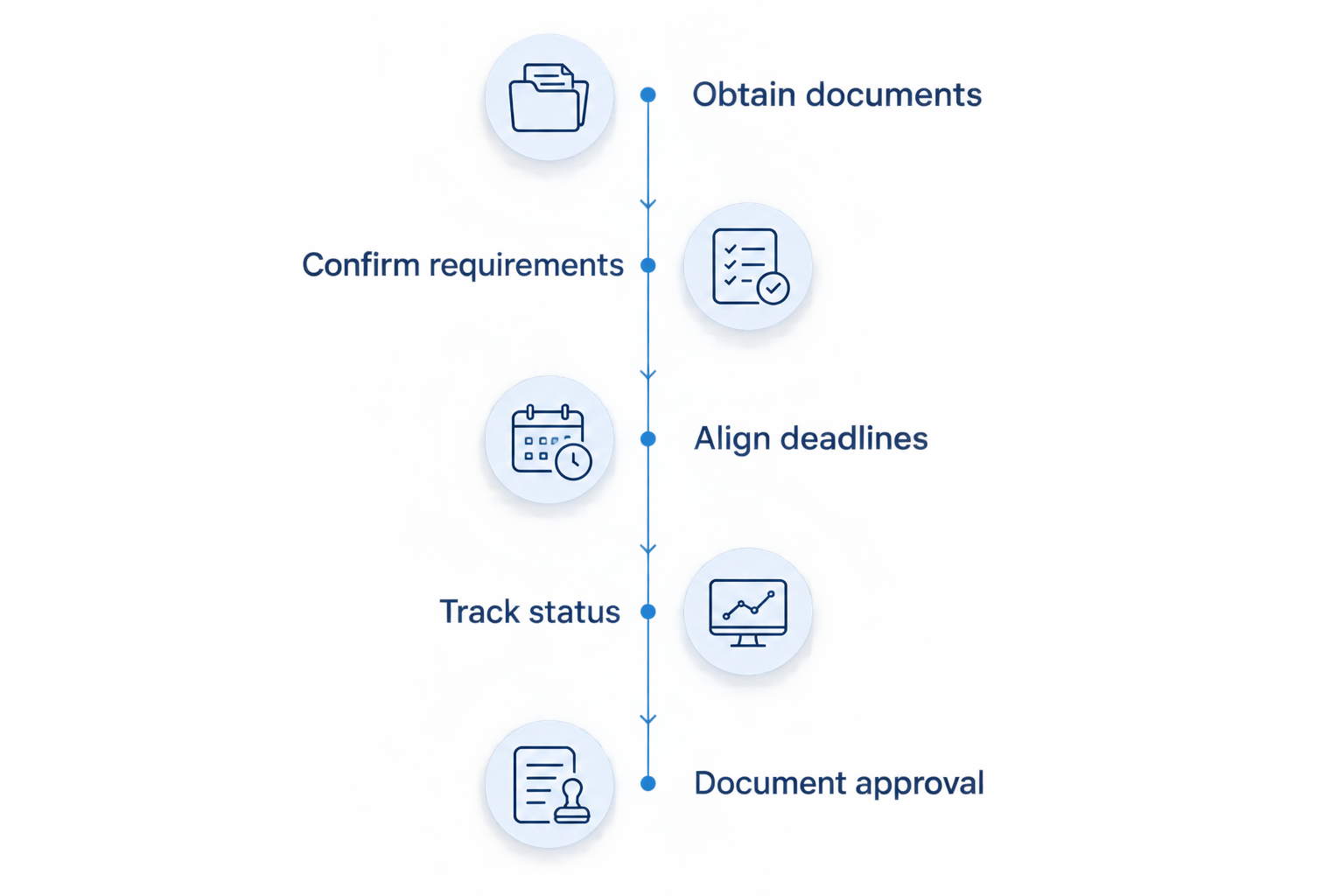
These checkpoints help expose an unresolved issue while the parties still have contractual decisions to make. They do not guarantee approval or replace legal review of the building’s restrictions.
Carlos Morean is a fit for Miami condo sellers who want local brokerage guidance alongside attorney-led review of approval disputes. His role is transaction coordination and real estate advice, not deciding whether a board’s rejection is legally enforceable.
What should you do immediately after a rejection?
First, preserve the rejection notice, application, supporting documents, and submission receipts. Then send the file to your Florida real estate attorney and notify the professionals coordinating the closing.
Ask counsel to answer these questions before anyone promises an outcome:
- Is this a final rejection or a request for additional information?
- Which governing provision supports the decision?
- Does the contract provide an approval contingency or another applicable remedy?
- What notices must be delivered, to whom, and by what deadline?
- Is a written extension necessary while the issue is reviewed?
For a 2026 closing, work from the executed contract and amendments—not a remembered deadline from another transaction. A request for reconsideration does not itself extend the purchase contract.
Carlos Morean can help coordinate the brokerage side of a Miami condo transaction while counsel evaluates the legal response. That separation keeps a practical closing discussion from becoming an unsupported promise about cancellation or deposit recovery.
Will you get your deposit back if the association rejects you?
A rejection does not automatically entitle the buyer to a deposit refund. The answer depends on the contract, applicable law, the reason approval failed, and compliance with required procedures.
A buyer with an applicable approval contingency still needs to follow its terms. A buyer who missed a submission obligation or notice deadline should not assume the rejection erases that problem.
Sellers should avoid the opposite assumption: that a failed approval automatically makes the deposit theirs. If entitlement is disputed, ask counsel and the escrow holder about the applicable release or dispute process before demanding payment.
Can the seller accept another offer after a rejection?
A rejection does not itself establish that the seller is free to enter a replacement contract. The existing agreement must be addressed under its terms and applicable law.
A backup offer can provide another path, but it does not resolve the first buyer’s contractual rights. Have the listing agent and attorney coordinate the sale status before representing that the property is unconditionally available for another purchase.
Can you challenge the association’s decision?
Yes, a buyer or seller can obtain legal review of a rejection and discuss available remedies with counsel. The correct response depends on the governing documents, the claimed violation, and the parties’ legal rights.
A request to correct a factual error is different from challenging an unauthorized restriction or alleging discrimination. Preserve the record first; do not threaten a particular proceeding before counsel identifies the appropriate route.
FAQ
Can a Miami condo association reject a buyer after the seller accepts the offer?
Yes, if the association has applicable purchase-approval authority and exercises it lawfully. Seller acceptance does not replace required association approval.
Can a condo board reject a cash buyer in Miami?
Paying cash does not exempt a buyer from applicable association approval requirements. Whether a particular rejection is valid depends on the governing documents, stated grounds, and law.
Does mortgage approval mean the condo association must approve me?
No, mortgage approval does not require the association to approve the purchaser. Lender underwriting and association transfer review address different requirements.
Do I automatically get my deposit back if the condo board says no?
No, a board rejection does not automatically release the deposit. Your contract, applicable law, required notices, and the circumstances of the rejection determine the available rights.
Can a Miami condo association reject a buyer because they have children?
A rejection because a household has children raises fair-housing concerns. Have an attorney evaluate familial-status protections and any legally applicable housing exemption.
Does an estoppel certificate mean the buyer is approved?
No, an estoppel certificate is not automatically purchaser approval. Ask the closing agent which separate approval evidence the transaction requires.
What should a Miami condo seller do before listing in 2026?
Obtain the current purchaser application instructions and have transfer restrictions reviewed before setting expectations for approval. Build the association process into the marketing-to-closing plan.
One last thing
A clean association account and an approved purchaser are different closing issues. Before treating the association file as finished, ask the closing agent to confirm both the account documentation and the required transfer approval.
For your 2026 sale, bring those questions to Carlos Morean early enough to coordinate the brokerage work with your attorney. General guidance cannot determine the outcome of a specific rejection; the signed agreement, governing documents, and facts control.