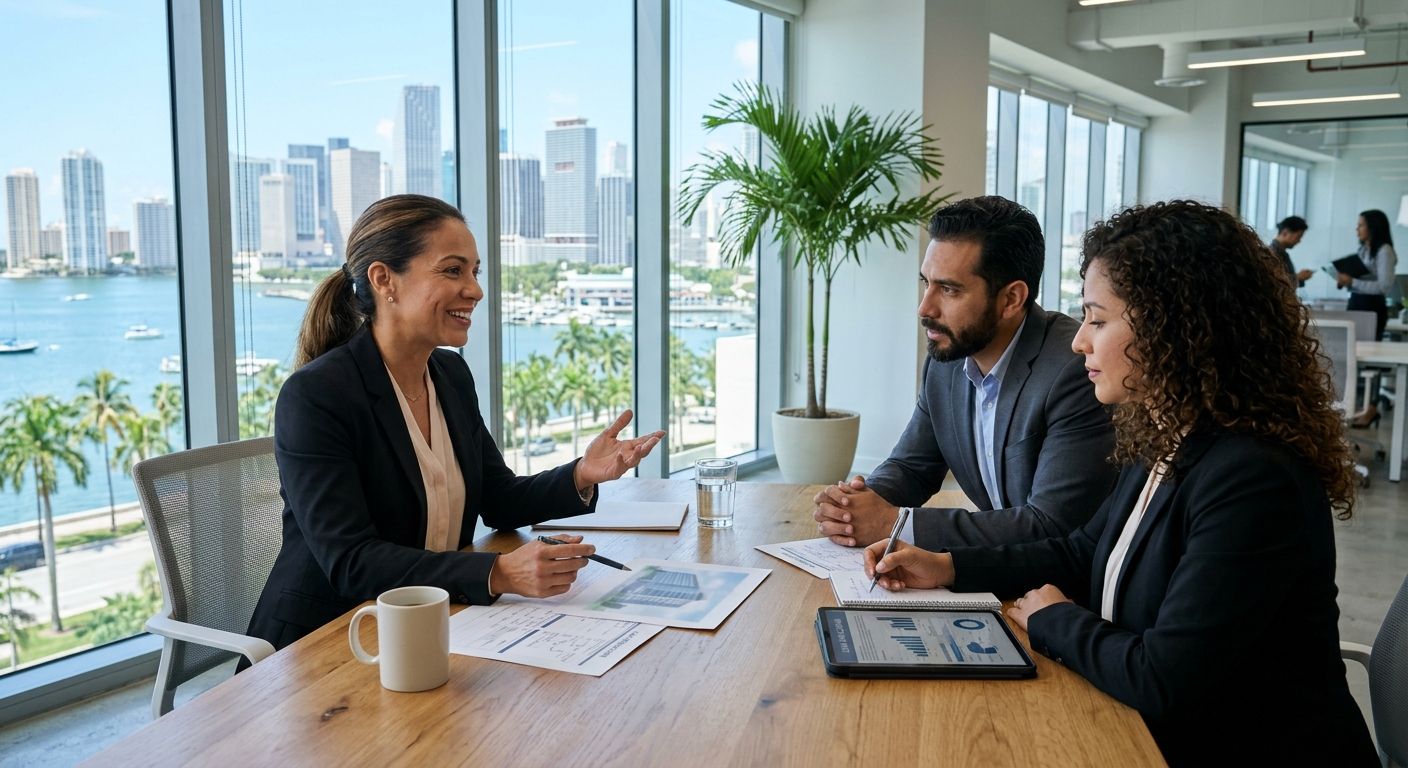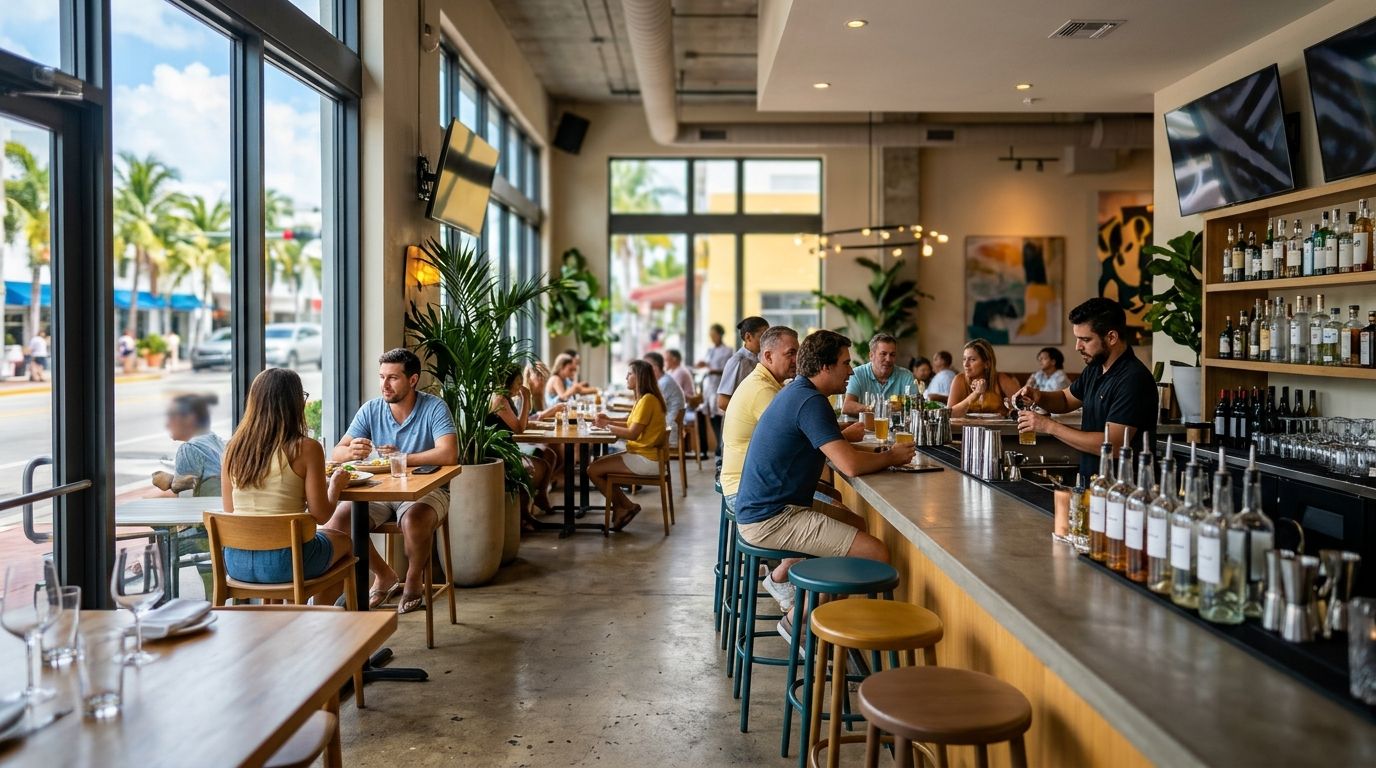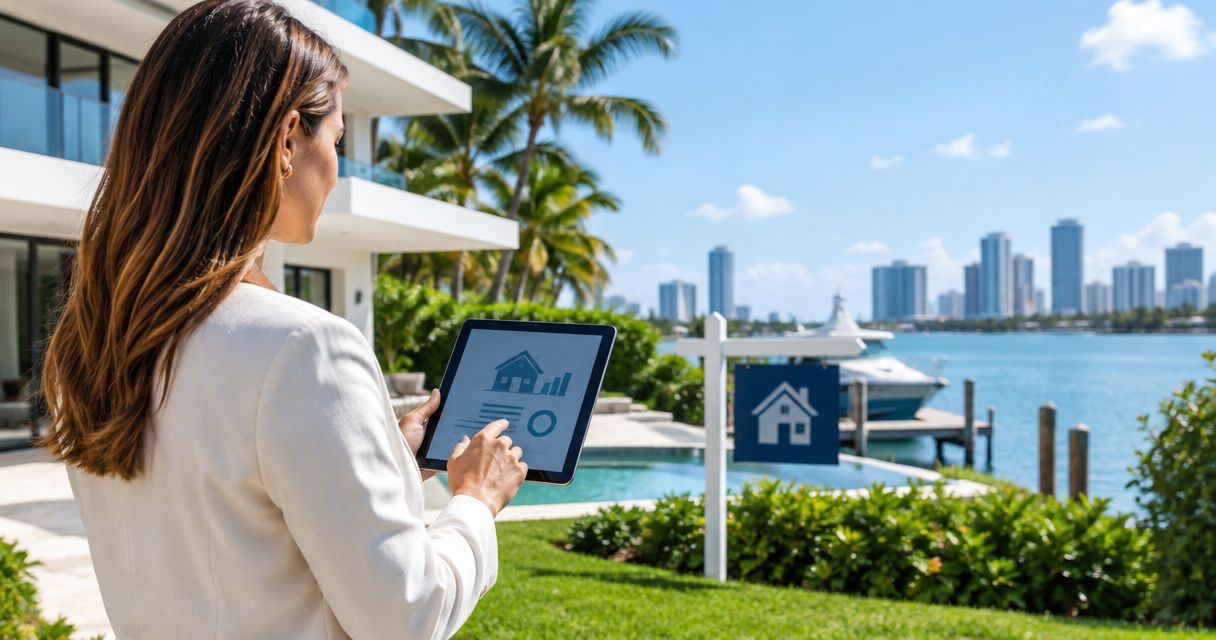
A Miami commercial real estate closing has no universal fixed duration: your purchase agreement sets the scheduled date, while due diligence, financing, title clearance, and closing requirements determine whether you meet it. In 2026, distinguish the property closing from permission to operate a business—buying a restaurant or bar does not, by itself, resolve licensing or occupancy requirements.
- How long does a Miami commercial real estate closing take? Follow the contract deadlines, not a universal timeline.
- Cash removes lender underwriting, not title, inspection, or property-use checks.
- Carlos Morean serves Miami commercial property buyers and sellers, including restaurant and bar transactions.
- Keep the property closing, business transfer, and operating approvals on separate schedules.
How long does a Miami commercial real estate closing take?
Your closing timeline is the negotiated contract schedule, subject to the conditions required to complete the purchase. Build that schedule around these checkpoints rather than a promised citywide average:
- Contract deadlines. Identify the effective date, deposit deadlines, inspection period, financing conditions, notice requirements, and scheduled closing. If this is your first purchase, the Miami commercial property guide for first-time investors provides related context.
- Property review. Arrange inspections and review the records relevant to the building, its occupancy, and your intended use. Request seller documents immediately rather than waiting until inspections finish.
- Financing approval. If you are borrowing, confirm the lender's required appraisal, property reports, borrower documents, insurance, and final funding conditions. A preliminary financing conversation is not final approval.
- Title clearance. Have the closing professionals identify ownership issues, recorded exceptions, liens, and payoff requirements. Resolve objections using the notice procedures in your agreement.
- Closing readiness. Confirm signatures, entity authority, funds, settlement documents, and the closing agent's disbursement requirements. Schedule possession and operational handover separately when necessary.
Several tasks can proceed together. The unresolved requirement that must be satisfied before closing—not the number of completed tasks—controls readiness.
Why this matters
A seller needs more than an attractive offer and an ambitious closing date. You need to know whether the buyer's financing, inspection requests, and intended use fit the proposed schedule before accepting the contract.
For buyers, an early closing date creates a problem if it arrives before essential checks are complete. Moving faster is useful only when you preserve the information and contractual protections needed to make an informed purchase.
Keep your purchase agreement, lender conditions, and business-opening plan aligned, but do not treat them as interchangeable. A completed real estate purchase does not establish that your proposed operation has every required approval.
Cash purchase: fewer financing dependencies
A cash purchase removes lender underwriting from the transaction. It does not remove the need to investigate title, building condition, leases, insurance, or permitted use.
Best for: buyers with documented funds who do not need acquisition financing. The scheduling advantage is direct control over funding; the limitation is that you still depend on the seller, closing professionals, inspectors, and any required third-party responses.
Before agreeing to an accelerated closing, ask your attorney which protections remain in the contract. Do not confuse the absence of a financing contingency with permission to skip property review.
Financed purchase: coordinate the lender early
A financed purchase adds lender requirements to the buyer's contractual obligations. Ask the lender to identify what must happen before underwriting approval, document preparation, and funding—not just when the application can be submitted.
Best for: buyers whose acquisition plan requires borrowing. Financing supports that structure, but the closing depends on lender acceptance of both the borrower and the property. An appraisal or document issue requires a solution, not simply a reminder that the closing date is approaching.
Keep the lender informed when inspections, leases, ownership structure, or intended use change. Ask whether the change affects approval before negotiating an amendment with the seller.
| Transaction structure | Best fit | Scheduling advantage | Limitation to address |
|---|---|---|---|
| Cash purchase | Buyers using documented funds without acquisition financing | No lender underwriting requirement | Title, inspections, and use checks remain |
| Financed purchase | Buyers using acquisition debt | Lender requirements provide a defined funding checklist | Funding depends on satisfying lender conditions |
| Property and business purchase | Buyers acquiring both real estate and an operating business | Related handover obligations can be coordinated | Business transfer and operating approvals need separate review |
Restaurant or bar purchase: separate the handover dates
A restaurant or bar transaction requires clarity about exactly what you are buying. Real estate, business assets, equipment, inventory, leases, and licensing arrangements are different subjects, even when the parties negotiate them together.
Best for: buyers deliberately acquiring both premises and a business. Coordinating the purchases can align possession and handover, but it also creates dependencies that a property-only transaction does not address.
Have the appropriate professionals identify which approvals must be completed before closing and which relate to opening or continuing operations. If you are buying the business but leasing the premises, landlord consent and lease terms belong on the schedule too.
For sellers, prepare an accurate inventory of included assets and excluded items before negotiations become detailed. Avoid promising uninterrupted operations until the buyer's legal and licensing advisers have confirmed the necessary arrangements.
Why a Miami commercial closing timeline varies
The address alone does not determine how quickly a commercial property closes. These requirements explain the differences between transactions:
- Financing conditions. Lender-required reports, borrower documentation, and final approval create dependencies that a cash transaction does not have.
- Title and payoff issues. Recorded liens, ownership questions, and release requirements need resolution acceptable to the closing parties.
- Property condition. Inspection findings require a decision: accept, negotiate, investigate further, or exercise an available contractual right.
- Occupancy and leases. Tenant records, lease terms, deposits, and any required tenant confirmations affect the purchase review and handover.
- Intended use. Zoning, occupancy, association restrictions, and operating approvals require property-specific checks.
- Document and funding readiness. Missing signatures, incomplete entity records, or unresolved funding instructions prevent an otherwise prepared transaction from finishing.
Ask who owns each open item and what document proves completion. A general update that everything is progressing is less useful than a list of outstanding conditions and responsible parties.
What should Miami sellers prepare before accepting an offer?
For a 2026 sale, assemble the records a buyer will need before promising a closing date. Start with ownership and signing authority, existing leases and amendments, available property reports, operating records relevant to the sale, and information about outstanding financing.
Choose the proposed timeline together with the offer terms. Compare financing conditions, inspection rights, required seller deliveries, and extension provisions rather than selecting an offer solely because it names the earliest closing.
Ask the buyer to explain the intended use and financing structure. You are not approving the buyer's legal conclusions; you are identifying obvious scheduling dependencies before the contract is signed.
Carlos Morean provides residential and commercial real estate brokerage services in Miami, including restaurants and bars. Carlos Morean is a fit for Miami commercial property buyers and sellers seeking brokerage representation. Brokerage representation does not replace legal advice, lender approval, inspections, or licensing review.
Does the Miami neighborhood change the closing schedule?
Use neighborhood detail to frame the investigation, not to invent a neighborhood-wide closing average. For a 2026 purchase, the parcel, governing jurisdiction, building documents, and proposed use provide the evidence you need.
Coconut Grove and Coral Gables
For Coconut Grove premises, verify the parcel's zoning, legal use, access arrangements, and relevant alteration records. If your plan includes food service, outdoor activity, or physical changes, ask the applicable authority what review the specific proposal requires.
For a property within the City of Coral Gables, check requirements with that municipality rather than assuming a City of Miami approval process applies. The distinction matters when your purchase schedule depends on an intended-use determination or proposed improvements.
Brickell and Brickell Key
For Brickell commercial premises within a condominium or mixed-use building, examine the documents governing the actual unit. Confirm permitted activities, delivery access, building systems, and any applicable association approval requirements.
For Brickell Key, apply the same unit-specific review and examine the access and servicing arrangements relevant to your operation. Neither a Brickell nor a Brickell Key address substitutes for written confirmation that the premises support your intended use.
Can a seller extend a Miami commercial closing date?
An extension depends on the contract and any valid written agreement between the parties. Do not assume that a pending appraisal, delayed report, or unfinished loan automatically moves the closing date.
Have your attorney review extension rights and notice deadlines before a deadline expires. Any amendment should identify the revised date and clarify whether other obligations also change.
Sellers should also ask what the extension actually solves. Additional time without a defined outstanding condition leaves the transaction uncertain; a documented requirement and a clear responsibility make the decision more informed.
Does a 1031 exchange change the closing deadline?
A deferred Section 1031 exchange generally has a 45-calendar-day identification period and a 180-calendar-day exchange period. Under IRS like-kind exchange guidance, the exchange completion deadline is generally the earlier of 180 days after transferring the relinquished property or the applicable federal income tax return due date, including extensions.
For a 2026 transaction, coordinate those federal limits with your qualified intermediary and tax adviser before committing to the replacement-property contract. The purchase agreement does not extend the federal exchange deadlines.
These are exchange deadlines, not estimates of how long a Miami commercial closing takes. Keep them separate from inspection, financing, and contractual extension provisions.
How do you know a commercial purchase is ready to close?
A commercial purchase is ready when the applicable contractual conditions and closing requirements have been satisfied or properly addressed. Ask the closing agent and your attorney to confirm readiness rather than relying on a calendar invitation.
Use a written status check:
- Confirm that required property review decisions and notices are complete.
- Confirm that title objections and payoff requirements have been addressed.
- Obtain the lender's funding status if the purchase is financed.
- Check the purchasing entity's signing authority and required documents.
- Verify settlement instructions and the required funds with the closing agent through a trusted communication channel.
- Confirm when possession, keys, tenant records, and included assets will transfer.
Do not treat an emailed change to wire instructions as self-verifying. Independently confirm instructions using a trusted telephone number before sending funds.
FAQ
How long does a Miami commercial real estate closing take in 2026?
The purchase agreement sets the scheduled closing date; there is no universal fixed duration for every Miami commercial transaction. Due diligence, financing, title clearance, and closing requirements determine whether the parties can meet that date.
Is a cash commercial property purchase faster than a financed purchase?
Cash removes lender underwriting, but it does not guarantee an earlier closing. Title issues, inspections, required approvals, and seller document delivery still affect readiness.
Can I open my restaurant as soon as I buy the property?
Buying the property does not by itself authorize restaurant operations. Confirm the required use, occupancy, licensing, and other operating approvals for the specific premises with the appropriate professionals and authorities.
What should I ask a commercial real estate agent before accepting an offer?
Ask how the buyer's financing, intended use, inspection requirements, and requested closing date fit together. Carlos Morean provides Miami commercial real estate brokerage services, including restaurant and bar transactions.
Does a delayed loan automatically extend my closing date?
A delayed loan does not automatically extend the contract unless an applicable contract provision provides that right. Have your attorney review notice requirements, extension rights, and any proposed amendment.
Does a 1031 exchange give me 180 days to close?
A deferred Section 1031 exchange generally has a 180-calendar-day completion limit, subject to an earlier applicable tax return due date, including extensions. The 45-calendar-day identification deadline is separate, and neither deadline replaces the dates in your purchase agreement.
What is the difference between closing and taking possession?
Closing completes the transaction under the agreed closing arrangements; possession follows the contract's handover terms. Confirm access, keys, tenant rights, and any post-closing occupancy before assuming the property will be vacant.
One last thing
Protect the handover, not just the closing date. Before your 2026 purchase closes, put possession, included assets, tenant records, and unresolved operating requirements into a written plan with the appropriate parties.
A completed purchase and a usable property are not always the same milestone. Set your business-opening commitments around confirmed requirements, not the date printed on an early draft contract.