Yes, you can negotiate the price on a Miami pre-construction condo, but the developer must agree to any change; a discount is not an entitlement. Closing charges, deposit timing, financing requirements, and contract restrictions also affect whether the deal works for you. For a 2026 purchase, negotiate the complete written agreement—not just the headline asking price.
- Can you negotiate the price on a pre-construction condo in Miami? Yes, but developer approval controls the outcome.
- Compare purchase terms, closing obligations, deposit schedules, and contract protections before accepting an incentive.
- Carlos Morean serves Miami condo buyers; legal review belongs with your Florida real estate attorney.
- A concession matters only when it addresses your needs and appears in the signed agreement.
Why this matters
A lower purchase amount does not resolve an unsuitable deposit schedule or a contract that requires you to close without financing protection. Conversely, a concession that sounds generous has little practical value if you cannot use it.
Start with the Miami pre-construction condo project guide to organize your search, then compare the actual terms attached to each property. Keep your property decision separate from your reaction to a sales incentive.
Can you negotiate the price on a Miami pre-construction condo?
Yes. Ask for a specific change, support the request with relevant comparisons, and obtain written acceptance from the developer’s authorized representative. An asking price is an offer to the market, not evidence that every buyer must receive identical terms.
However, do not assume a developer will negotiate merely because you ask. Your alternatives, the specific residence, and the developer’s response determine whether there is a workable agreement.
For a 2026 comparison, request current written proposals rather than relying on another buyer’s recollection. Different residences and contract dates are not automatically comparable.
| Negotiation request | Best for | Potential benefit | Limitation to check |
|---|---|---|---|
| Purchase amount adjustment | Buyers prioritizing acquisition basis | Changes the amount agreed for the residence | Does not remove separate charges or financing risk |
| Closing credit | Buyers focused on closing cash | Offsets eligible obligations when permitted | Lender rules and contract language govern its use |
| Deposit schedule revision | Buyers managing liquidity | Changes when funds must be committed | Does not necessarily reduce the total commitment |
| Included finishes or features | Buyers who want those exact items | Avoids arranging an agreed item separately | Specifications and substitution rights need review |
| Contract amendment | Buyers addressing a specific contractual risk | Clarifies or changes an agreed obligation | Requires precise drafting and developer acceptance |
These are requests to evaluate, not promises that a particular Miami project offers them. Ask what the developer will consider before treating any option as part of your purchase plan.
How do you negotiate a Miami pre-construction condo?
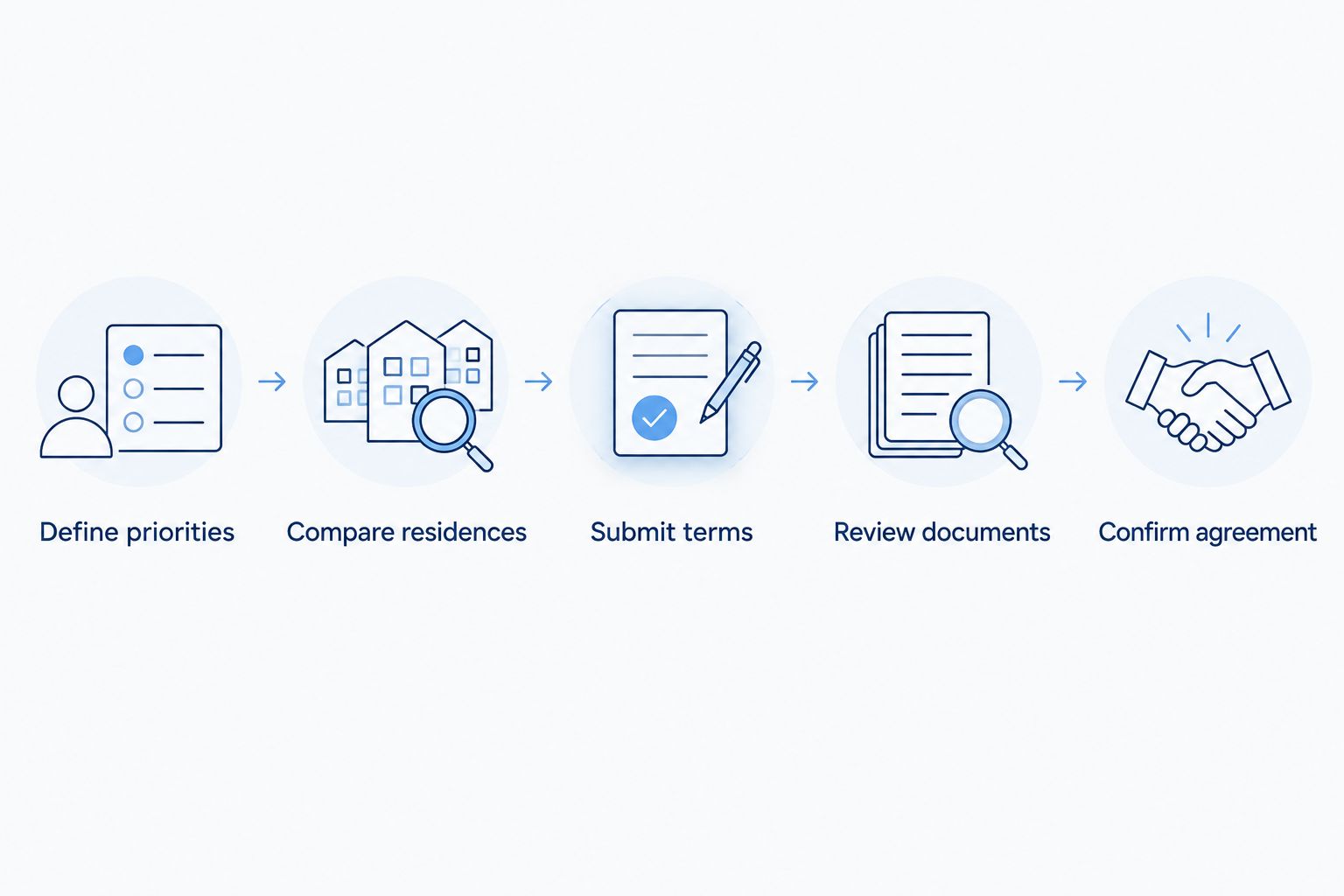
Define priorities
Write down the residence features you need, the cash you can commit, and the contractual risks you will not accept. Separate essential requirements from preferences.
If your main concern is keeping funds accessible before closing, a finish package does not solve it. If your concern is the total acquisition obligation, moving a deposit deadline does not solve that either.
Compare residences
Compare the same floor-plan line where possible, then account for floor, exposure, view, terrace configuration, parking rights, and included finishes. Confirm whether the quoted interior area uses the same measurement basis.
Use resale alternatives as a separate comparison rather than pretending they are identical to unfinished residences. A completed condo lets you inspect an existing unit and operating building; a pre-construction purchase requires closer attention to promised delivery and contract specifications.
Submit terms
Present a clear written proposal that identifies the residence, requested changes, deposit structure, and conditions. Explain the comparison supporting your request without overstating your alternatives.
Ask the sales representative which requests require developer approval. A discussion with the sales team is not the same thing as an accepted contract amendment.
Review documents
Have your Florida real estate attorney review the proposed purchase agreement, condominium documents, and negotiated changes. Ask counsel to explain cancellation rights, deposit treatment, default provisions, completion language, and remedies.
Use your lender to review financing assumptions separately. Your attorney and lender answer different questions; approval from one does not replace review by the other.
Confirm agreement
Check that the final documents contain every accepted concession with enough detail to enforce the intended agreement. Resolve inconsistent language before signing or sending funds.
Keep the signed agreement, amendments, specifications, and deposit instructions together. An email describing an incentive should not be your only record of what the developer agreed to provide.
Why negotiation room varies
Evaluate the individual residence and transaction. Do not substitute a broad statement about the Miami market for evidence supporting your offer.
- Comparable alternatives: Identify residences you would genuinely purchase instead. Compare their terms as well as their physical features.
- Residence differences: Floor, exposure, layout, outdoor space, and documented parking rights affect whether another unit is a useful comparison.
- Construction stage: A reservation, a binding purchase agreement, and a completed residence present different decisions. Confirm the transaction stage before proposing terms.
- Buyer conditions: Financing, deposit timing, and requested contingencies change the proposal the developer is being asked to accept.
- Developer approval: Confirm who can approve a change and whether it will appear in an executed agreement.
For your 2026 negotiation, distinguish verified facts from sales explanations. If a representative refers to competing interest or a forthcoming change, make your decision using the terms available in writing and your own purchase limits.
What should you compare in Brickell and nearby neighborhoods?
Neighborhood names are a starting point, not valuation evidence. Ask your agent to connect each comparison to a specific building, residence, and documented difference.
In Brickell, distinguish North Brickell from South Brickell. Map your actual destination, building entrance, and pedestrian route rather than treating every Brickell address as interchangeable. Compare tower placement and view orientation before using another residence to support your offer.
For Brickell Key, assess the island address separately from mainland Brickell. Visit the access route, test the trips you expect to make, and verify the residence’s actual exposure rather than relying on a neighborhood-level waterfront description.
In Coconut Grove, identify whether you are comparing a residence near the village center, a bay-facing property, or a location farther inland. Those are location questions to investigate, not automatic justifications for a premium.
In Coral Gables, separate downtown condo comparisons from waterfront locations. Confirm the actual setting and property type before using a Coral Gables sale to support a Miami pre-construction negotiation.
Carlos Morean is a Miami real estate agent for buyers comparing residential condo purchases. Ask for residence-level evidence and a clear explanation of why each selected comparison belongs in your decision.
Is a closing credit better than a lower purchase amount?
A closing credit is better only when it addresses your needs and you can use it under the contract and financing terms. A reduction in the agreed purchase amount addresses a different part of the transaction.
Ask your lender to confirm which credits are permitted and how they will be applied. Then ask the closing professional to show their treatment on the proposed settlement figures.
Do not accept an incentive at its stated value without checking its practical value to you. Unwanted finishes, restricted credits, and benefits already included in the standard contract are not interchangeable with a direct adjustment.
Can you negotiate the deposit schedule instead?
Yes, you can request a different deposit schedule, subject to developer acceptance. Changing when a payment is due is not the same as reducing your total obligation.
Compare each payment trigger with your expected liquidity. Read whether the trigger depends on a calendar date, construction event, notice, or another contractual condition.
Use the guide to connecting a pre-construction deposit schedule to Miami condos to structure that review. Ask your attorney about deposit handling, permitted uses, refund rights, and the consequences of missing a payment.
For a 2026 purchase, include your existing housing obligations in that cash-flow review. Do not plan around a delivery date without understanding the contract’s extension provisions.
Should you wait for the developer to make a better offer?
Wait when the available agreement fails your requirements, not because you assume a future concession is guaranteed. There is no universal negotiating moment that applies to every project.
Set your decision conditions before returning to the sales office. These should include acceptable residence characteristics, cash commitments, financing assumptions, and contract terms.
If the developer declines your proposal, compare the unchanged agreement with your alternatives. Walking away from an unsuitable transaction is a valid result; securing an incentive is not the objective by itself.
What should your agent and attorney each handle?
Your agent should help evaluate the residence, identify relevant alternatives, organize the offer, and communicate the requested business terms. Your attorney should explain the legal effect of the documents and draft or review contractual changes.
Carlos Morean provides residential real estate brokerage services in Miami. For a pre-construction condo purchase, keep that brokerage role separate from legal advice and mortgage underwriting.
Ask prospective agents how they select comparable residences, verify included features, and document negotiations. Ask how they will keep your preferred project from becoming your only considered option.
Before making a commitment in 2026, request a written summary of the agreement you are evaluating. The summary should identify unresolved questions rather than presenting them as settled facts.
FAQ
Can you negotiate the price on a pre-construction condo in Miami?
Yes, you can request a change to the purchase amount, but the developer must accept it. Compare the complete agreement, including closing obligations, deposit timing, and contract protections.
What should I ask a Miami condo developer for besides a lower purchase amount?
Ask about closing credits, deposit timing, included specifications, or a targeted contract amendment when those changes address your needs. None should be treated as agreed until the final documents confirm them.
Can I negotiate after signing a pre-construction condo contract?
You can request an amendment after signing, but requesting one does not change your existing obligations. Have your attorney review the agreement before withholding payments or assuming the developer must renegotiate.
Does mortgage preapproval protect me if financing falls through?
Mortgage preapproval alone does not create a financing contingency in your purchase contract. Have your attorney review the contract and your lender confirm the requirements for the proposed condo purchase.
Is a reservation the same as buying a pre-construction condo?
Do not assume a reservation and a purchase agreement create the same rights or obligations. Ask your attorney to identify what you are signing, how funds are handled, and what cancellation provisions apply.
Should I compare a Brickell pre-construction condo with a resale condo?
Yes, compare a resale condo as an alternative, but account for differences in completion, condition, building operations, and contract terms. Match location, layout, exposure, and documented features before drawing a valuation conclusion.
Can Carlos Morean help me evaluate a Miami condo purchase?
Carlos Morean helps buyers with Miami residential real estate, including condos. Use your agent for property comparisons and negotiation, your attorney for legal review, and your lender for financing requirements.
One last thing
The most useful negotiating question is: what changes in my actual obligation? A revised payment date changes timing; an included feature changes specifications; a contract amendment changes only what its wording actually addresses.
Before signing, describe the accepted deal in plain language and ask your attorney to confirm that the documents produce that result. If the sales explanation and the written obligation differ, resolve the difference before committing funds.